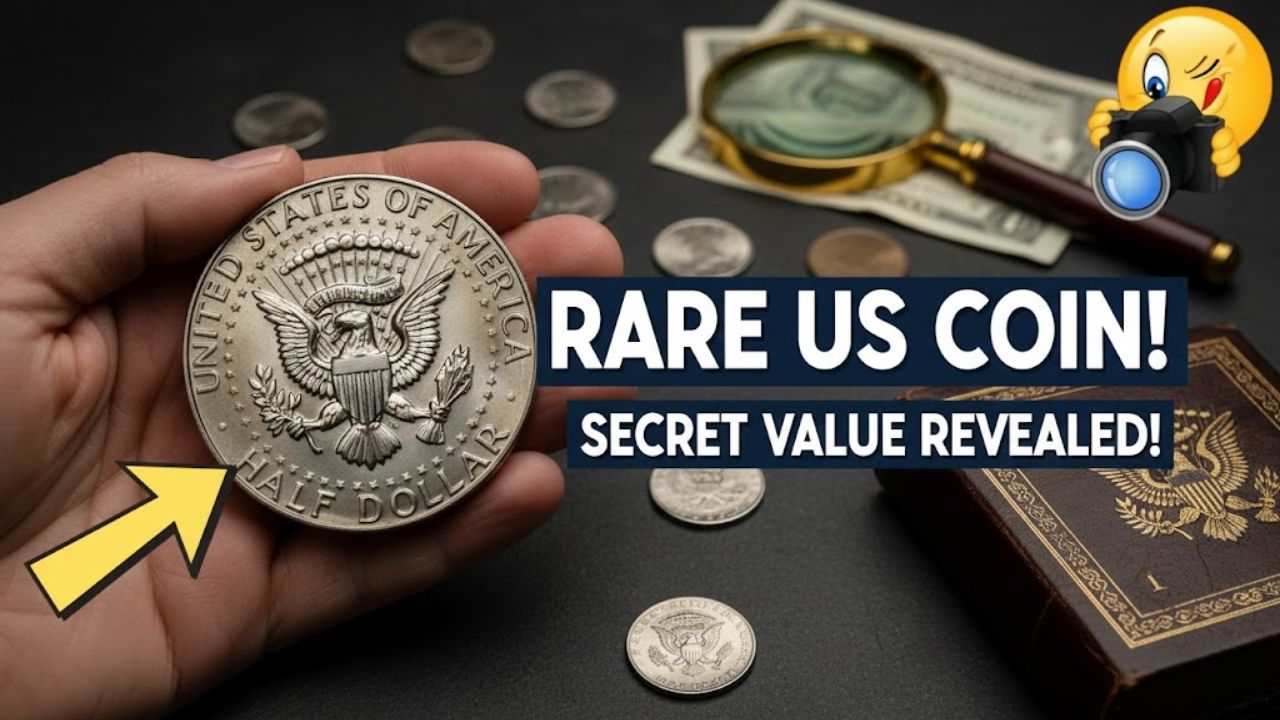
The Kennedy Half Dollar is one of the most iconic modern U.S. coins, but few collectors realize just how valuable certain varieties can be. One extremely rare example shocked the numismatic world when it sold for $5.9 million, becoming the most expensive Kennedy half dollar ever sold. Even more exciting? Valuable pieces like these are still occasionally discovered in bank rolls, circulation, and old collections.
This guide breaks down how Kennedy Half Dollar values changed over time, which varieties saw the biggest price gains, and how collectors can spot rare coins worth hundreds, thousands, and even millions.
Key Highlights
Kennedy Half Dollar values climbed for several reasons:
- Ultra-rare mint errors and special varieties gaining massive premiums
- Growing demand for high-grade certified examples
- Strong pricing for early 1964 silver issues
- Auction momentum fueled by publicity and rarity
- Roll hunters still finding silver and valuable errors in circulation
- Surging interest in doubled dies, No FG errors, and SMS coins
These factors transformed an everyday coin into a top-tier collectible.
Year 1–3: Heavy Circulation and Early Wear
The Beginning of the Series
When the first Kennedy Half Dollars were released:
- Billions entered circulation for daily use
- Many 1964 silver coins wore down quickly
- Only a few collectors saved pristine examples
- Mint rolls were stored more as souvenirs than investments
- Worn coins stayed at face value for years
Early circulation meant most coins survived in average condition.
Year 4–5: Silver Value Pushes Prices Up
Silver Becomes a Major Driver
As silver prices fluctuated:
- 1964 90% silver halves gained strong attention
- Silver melt value pushed a higher price floor
- More collectors began hoarding early-year coins
- High-grade silver examples began separating from circulated pieces
- Shift to copper-nickel clad changed long-term value trends
Silver coins quickly became the core of collector demand.
Year 6: Rare Varieties Spark Market Growth
Error Coins Take the Spotlight
Collectors identified a wave of rare errors:
- No FG (no designer initials) coins surged in popularity
- Doubled die varieties saw sharp value increases
- SMS (Special Mint Set) coins drew specialist interest
- Off-center errors and other striking mistakes gained traction
- Roll hunting became more common as awareness spread
Suddenly, collectors realized valuable half dollars still circulated.
Year 7–8: High Grades Become Investment Assets
Certification Changes the Market
Top-tier grades became key value drivers:
- MS66 and higher slabs gained investment-level interest
- Coin luster and strike quality became critical
- SMS and prooflike pieces attracted advanced collectors
- Small grade differences created massive price gaps
- Registry set building pushed competition to new highs
Condition rarity became one of the biggest factors in pricing.
Year 9: Auction Records Break Barriers
Publicity Drives Extreme Value
Public and investor attention fueled massive growth:
- Registry competition pushed prices upward
- Finest-known examples became trophy coins
- Discovery news increased nationwide roll searching
- Unique error coins reached six and seven-figure prices
- One ultra-rare variety sold for an unbelievable $5.9 million
Media buzz played a key role in these record-breaking results.
Year 10: Roll Hunting Creates New Excitement
Circulation Finds Add Fuel
Collectors rediscovered the joy of bank rolls:
- Silver halves reappeared in rare circulation hits
- No-FG coins showed up in pocket change
- Estate sales released forgotten high-grade examples
- Many top-grade coins came from old, unopened mint rolls
- Viral success stories boosted hobby interest
Even today, circulation finds remain a major attraction.
Year 11: Strong Pricing and Market Stability
Modern Market Overview
Today’s market shows:
- Rarest varieties consistently appreciating
- Six-figure and million-dollar coins holding long-term investment strength
- High-grade SMS and cameo-proof coins performing well
- Silver issues remaining highly liquid
- Roll hunting and estate discoveries keeping demand high
The Kennedy Half Dollar market is now one of the strongest in modern U.S. numismatics.
Kennedy Half Dollars with the Highest Price Growth
Top performers include:
- The $5.9 million record-breaking rarity
- 1964 SMS coins in GEM/Deep Cameo
- No FG varieties (1966, 1967, 1972-D)
- Doubled die obverse and reverse varieties
- MS67+ certified high-grade business strikes
These coins are prime targets for collectors and investors.
FAQs
1. Can a Kennedy Half Dollar really be worth millions?
Yes. Ultra-rare varieties, especially special strikes and unique errors, can reach seven-figure prices.
2. Are valuable Kennedy halves still found in circulation?
Occasionally yes—especially silver 1964 coins, No-FG errors, and sharp doubled dies.
3. Which Kennedy halves should I look for?
Search for 1964 silver issues, No FG errors, doubled dies, and high-grade uncirculated coins.
4. Should I get my coin graded?
Only grade coins that appear flawless, silver, or show a clear error.
5. Are SMS Kennedy halves rare?
Yes, especially the 1964 SMS coins, which are extremely scarce and highly valuable.
Conclusion
The Kennedy Half Dollar remains one of America’s most rewarding modern coins to collect. From silver issues to doubled dies, rare SMS pieces, and the astonishing $5.9 million specimen, the series offers opportunities for every collector. With valuable varieties still appearing in circulation and old collections, now is the perfect time to start checking your pocket change, bank rolls, and family coin jars—you may be holding a hidden treasure waiting to be discovered.