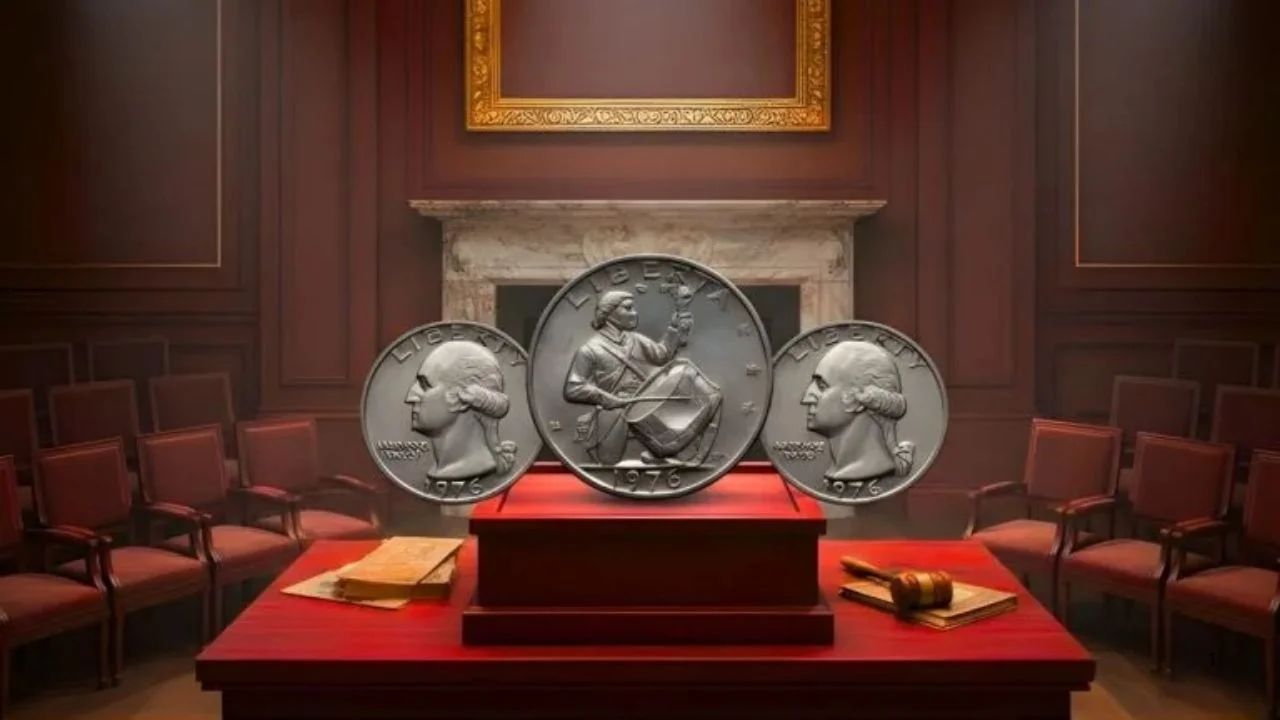
The 1976 Bicentennial Quarter is one of the most recognizable coins in modern U.S. history. Issued to commemorate America’s 200th anniversary, it carries the dual date 1776–1976 and the iconic Drummer Boy reverse. While hundreds of millions were produced for circulation, a small number possess distinctive characteristics that elevate them far beyond face value. In 2026, collector demand remains strong for rare varieties, silver compositions, and exceptional high-grade examples—some of which are still discovered in everyday change.
Understanding what separates a common Bicentennial quarter from a valuable one is essential for collectors and curious coin hunters alike.
Why the 1976 Bicentennial Quarter Matters
Bicentennial quarters were struck in 1975 and 1976 at the Philadelphia, Denver, and San Francisco mints. Unlike traditional single-year issues, all Bicentennial quarters carry the same dual date, creating a sense of unity and historical symbolism.
The Drummer Boy design, created by Jack L. Ahr, was a dramatic departure from standard quarter reverses and remains a favorite among collectors. This combination of patriotic appeal, mass distribution, and occasional production anomalies makes the coin especially compelling today.
Quick Overview of Rare Bicentennial Quarter Values
While most Bicentennial quarters are worth only 25 cents, certain traits can dramatically increase value. Typical market ranges for collectible examples include:
- 40% Silver Composition: $10–$25, with high-grade pieces exceeding $150
- Doubled Die Errors: $40–$150, with standout examples reaching $600 or more
- Off-Center Strikes: $20–$90, with dramatic misalignments valued up to $400+
- High-Grade MS67 and Above: $60–$250, with exceptional coins approaching $900
- Proof Deep Cameo Errors: $80–$350, with elite examples exceeding $1,200
- Major or Unique Mint Errors: Starting around $300 and potentially exceeding $5,000
These values depend heavily on condition, eye appeal, and professional certification.
Key Characteristics That Influence Value
Metal Composition
One of the most important distinctions is whether the coin is standard clad or 40% silver. Silver Bicentennial quarters were produced primarily for collector sets, yet some have entered circulation. They can be identified by a brighter tone and a solid silver-colored edge without the copper stripe seen on clad coins.
Strike Quality and Detail
Collectors closely examine design sharpness. Crisp stars, clearly defined drumsticks, and uniform folds in the drummer’s uniform often indicate a strong strike and higher grading potential. Weakly struck coins, even if uncirculated, typically command lower premiums.
Surface Preservation
Condition is critical. Coins with minimal contact marks, original luster, and clean surfaces are far more desirable. Even rare varieties lose value quickly if heavily scratched or worn.
Notable Minting Errors and Varieties
Doubled Die Errors
Doubled dies occur when the die used to strike the coin is misaligned during manufacturing. On Bicentennial quarters, doubling is most often visible on the date, lettering, or drummer details. Clear, well-defined doubling significantly increases value, especially when verified by a grading service.
Off-Center Strikes
Off-center strikes result from improper alignment during striking, causing part of the design to be shifted or missing. Coins showing a clear date and dramatic displacement are especially sought after. The more pronounced the error, the higher the premium.
Silver-Clad Circulation Strikes
Some of the most intriguing finds are silver Bicentennial quarters discovered in circulation. These coins were never intended for everyday use, making any circulated example a desirable anomaly.
Proof Errors and Deep Cameo Finishes
San Francisco proof Bicentennial quarters feature mirrored fields and frosted devices. When these coins exhibit errors such as doubling or planchet defects, their value can increase substantially. Deep Cameo examples with sharp contrast are especially prized.
The Importance of Condition and Professional Grading
Condition can multiply a coin’s value many times over. A common clad Bicentennial quarter graded MS67 or higher is far scarcer than most collectors realize. These coins often originate from carefully stored mint sets rather than circulation.
Professional grading by respected services such as PCGS or NGC is essential for confirming authenticity, identifying errors, and establishing market confidence. Certified coins are easier to sell and consistently achieve stronger prices at auction.
Market Trends and Collector Demand in 2026
Interest in Bicentennial quarters remains steady, supported by online marketplaces, registry set competition, and renewed appreciation for modern commemorative coinage. High-grade examples, silver issues, and verified errors continue to see strong demand, while average circulated coins remain plentiful and inexpensive.
As more collectors focus on condition rarity rather than mintage numbers alone, premium examples are becoming increasingly difficult to source, reinforcing long-term value stability.
How to Identify a Valuable Bicentennial Quarter
When examining a 1976 quarter, consider the following steps:
- Check the Edge: Look for a solid silver edge versus a copper stripe
- Inspect the Design: Search for doubling, misalignment, or unusual details
- Assess Condition: Strong luster and minimal marks indicate higher potential
- Consider Certification: Professional grading can unlock significant value
Coins found in old collections, bank rolls, or mint sets offer the best chances of discovery.
Final Thoughts
The 1976 Bicentennial Quarter is far more than a nostalgic keepsake. While most examples remain common, rare silver compositions, high-grade survivors, and minting errors can be worth hundreds or even thousands of dollars in 2026.
For collectors, the appeal lies in accessibility and discovery. With careful inspection, realistic expectations, and an understanding of what truly drives value, this iconic quarter continues to offer both historical significance and genuine collecting opportunity.